
Contact Fumei
No.20 Jiuqiao Road, Shijiang Industrial Area, Jiujiang Town, Nanhai District, Foshan City, China.
FM-LT01 classroom seating furniture. Featuring cold-rolled steel, fire-retardant fabric, and 150kg load capacity. Ideal for university. B2B factory wholesale.
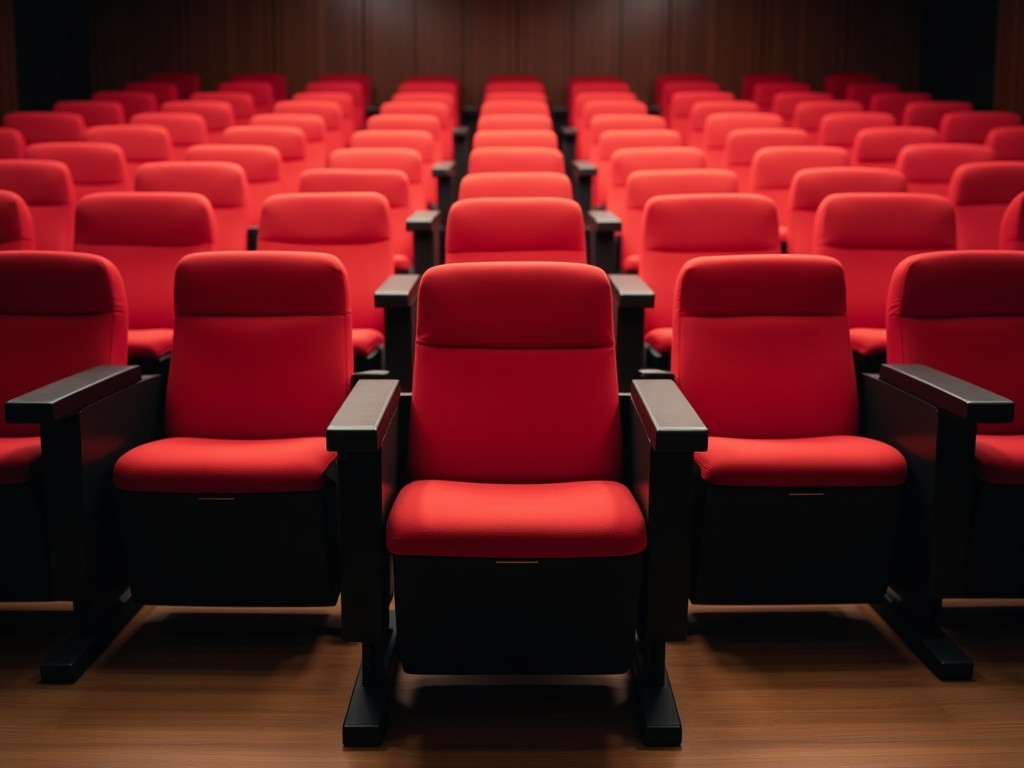
Lecture theater seating refers to fixed or semi-fixed seating systems designed for auditoriums, classrooms, and presentation spaces where clear sightlines, acoustic performance, and long-term durability are essential. These systems must support continuous use while maintaining structural integrity and user comfort over decades of operation.
Procurement decisions for lecture theater seating are driven by technical specifications rather than branding. Key factors include load-bearing capacity of the frame, fire resistance ratings of upholstery materials, ergonomic dimensions based on anthropometric data, and ease of maintenance in high-traffic environments.
The primary load-bearing structure typically consists of cold-rolled steel channels with a minimum thickness of 2.0mm, formed into a C-channel or box section to resist bending under dynamic loads. These frames are welded or bolted to floor-mounted brackets designed to transfer loads directly to the structural slab, minimizing point loads on finishes.
Seat and backrest shells are commonly manufactured from injection-molded polypropylene with glass fiber reinforcement (typically 15-20% by weight), providing impact resistance and dimensional stability across temperature ranges from -10°C to +50°C. Armrests, when present, use the same material or die-cast aluminum for added rigidity in premium configurations.
Seat height is standardized at 450mm ±10mm from the finished floor to accommodate the 5th to 95th percentile of adult users when wearing footwear, based on ISO 9241-5 guidelines. Seat depth ranges from 400mm to 450mm to support thigh length without compressing the popliteal area, while seat width is typically 480mm to allow for lateral movement and clothing bulk.
Backrest angle is fixed between 100° and 105° relative to the seat pan to promote lumbar support without inducing forward head posture. Row-to-row spacing (rise) is calculated based on eye height: a minimum of 800mm is required for unobstructed vision in flat-floor theaters, increasing to 1000mm or more in raked configurations to maintain C-value (clear sightline) standards per BS 5588-6.
Upholstery fabrics must meet minimum abrasion resistance of 50,000 Martindale cycles for heavy contract use, with options including solution-dyed acrylic, polyester blends, or inherently flame-retardant Trevira CS. All textile components are tested to BS 5852 ignition source 5 (match flame equivalent) or CAL 117-2013, with documentation available upon request.
Frame finishes undergo powder coating with a minimum 60-micron epoxy-polyester hybrid layer, providing corrosion resistance equivalent to 500 hours in salt spray testing (ASTM B117). Optional hot-dip galvanizing is available for coastal or high-humidity installations, adding a zinc layer of 55μm minimum thickness.
Beyond standard configurations, lecture theater seating can be adapted to integrate power and data connectivity. Options include under-seat-mounted AC outlets (rated 10A/250V), USB-A/C charging ports (5V/2.4A per port), and Ethernet/Data jacks, all wired to central conduit runs accessible from the rear of the seating block.
Writing tablets are available as fold-down laminates with a minimum thickness of 12mm, supported by steel brackets rated for 15kg dynamic load. Surface finishes include high-pressure laminate (HPL) or melamine-faced chipboard, both resistant to scratching and moisture ingress. Tablet depth is typically 300mm to accommodate notebooks and tablets.
Installation requires precise laser-leveling of floor anchors to ensure uniform seat height across rows, with tolerances held to ±2mm over 10m spans. Modular design allows for row-by-row replacement without disrupting adjacent sections, using standardized bolt patterns and quick-release mechanisms for seat-back units.
Routine maintenance involves inspection of fastening torque every 24 months, cleaning of upholstery with pH-neutral detergents, and lubrication of moving parts (if applicable) with silicone-based grease. Components are designed for disassembly and recycling, with material identification marks molded into plastic parts per ISO 11469.
| Feature | Standard Fixed | Retractable | Lecture Hall w/ Tablet |
|---|---|---|---|
| Frame Material | Cold-rolled steel | Extruded aluminum | Cold-rolled steel |
| Seat Shell | PP + 15% GF | PP + 20% GF | PP + 15% GF |
| Tablet Included | No | No | Yes (HPL) |
| Power/Data Ready | Optional | Standard | Optional |
| Typical Use Case | Universities, conferences | Multi-use halls | Law, medical schools |
Each seating unit undergoes static load testing to 150kg applied at the seat center and backrest simultaneously, with deflection limited to<5mm 100="" under="" load.="" dynamic="" endurance="" testing="" includes="">
Acoustic performance is evaluated by measuring sound absorption coefficients across 125Hz–4kHz, with upholstered panels typically achieving NRC 0.6–0.8 depending on fabric density and backing material. Fire safety documentation includes full cone calorimetry reports and classification to EN 13501-1 for all combustible components.
For technical inquiries, custom layout planning, or to request a detailed quotation based on your auditorium dimensions and usage requirements, contact our engineering team. We provide installation drawings, load calculations, and material safety data sheets upon request.








