
Contact Fumei
No.20 Jiuqiao Road, Shijiang Industrial Area, Jiujiang Town, Nanhai District, Foshan City, China.
FS-AD01 classroom seating furniture. Featuring Q235B steel frame, 50kg/m³ foam, and 40k Martindale fabric. Ideal for university halls. B2B wholesale supplier.
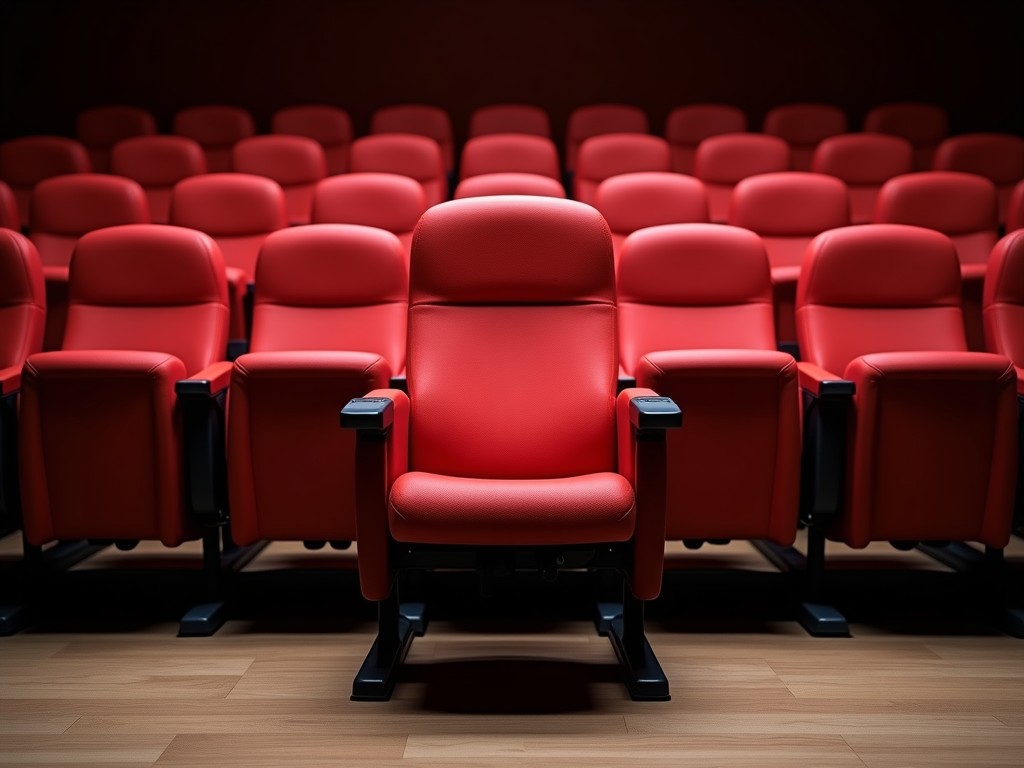
Auditorium chairs for adult users require precise engineering to balance structural integrity, long-term comfort, and space efficiency. This page details the technical specifications, material considerations, and manufacturing standards that define reliable auditorium seating solutions from Chinese suppliers.
The frame must support repeated dynamic loads from adult users weighing up to 120 kg while maintaining alignment over thousands of cycles. Steel frames constructed from cold-rolled SPCC or Q235B with a minimum thickness of 1.5 mm provide the necessary rigidity. Joint connections use M8 or M10 high-tensile bolts with nylon-lock washers to prevent loosening under vibration. Weld points are subjected to 150% proof load testing during quality validation.
Backrest recline mechanisms, when included, operate within a 15-degree range using gas-assisted springs rated for 50,000 cycles. Armrest brackets are welded directly to the seat frame to eliminate lateral movement. Floor mounting options include pre-drilled flanges for concrete anchoring or freestanding bases with weighted ballast to meet overturning resistance standards.
Seat depth ranges from 450 mm to 500 mm to accommodate 95th percentile male thigh length while allowing adequate circulation. Seat width is standardized at 480 mm to balance personal space with row density requirements. Foam density in the seat cushion is specified at 45–50 kg/m³ high-resilience polyurethane, compressed to 65% of original height under 100 kg load to prevent bottoming out.
Backrest height measures 900–950 mm from seat surface to support lumbar and thoracic regions. The backrest contour follows a 105-degree seat-to-back angle to promote neutral spine posture. Upholstery materials include polyester woven fabric with 40,000+ Martindale abrasion resistance or vinyl with 0.5 mm thickness and anti-stain coating, both tested for UV stability under 1500-hour xenon arc exposure.
Frame finishes are selected based on environmental exposure: powder coating (60–80 µm thickness) for indoor venues, or hot-dip galvanizing (55 µm average zinc coating) for humid or semi-outdoor installations. Color matching follows RAL or Pantone standards with batch-to-batch variation controlled under ΔE < 2.0.
Upholstery choices impact maintenance and longevity. Solution-dyed acrylic fabric resists fading in sunlit atriums, while antimicrobial-treated vinyl is preferred in healthcare or educational facilities. Customers may specify integrated features such as retractable writing tablets (300 x 400 mm surface), cup holders (75 mm diameter recess), or seat numbering systems using laser-etched aluminum plates.
Dimensional inspection occurs at three stages: post-frame welding, pre-upholstery assembly, and final product. Critical dimensions include seat height variance (±3 mm), backrest angle tolerance (±1.5°), and armrest height consistency (±2 mm across a batch). Frame squareness is verified using diagonal measurement comparison with a maximum allowable difference of 4 mm.
Load testing applies 1.5x rated capacity for 1 minute per seat, followed by 10,000-cycle fatigue testing on mechanisms. Upholstery seam strength is measured using a grab test per ISO 13937-2, requiring minimum 25 N/mm resistance. Final inspection includes function checks of all moving parts, visual surface review under 500 lux lighting, and packaging integrity verification.
| Parameter | Typical Value | Notes |
|---|---|---|
| Seat Height | 450–480 mm | From floor to seat surface |
| Seat Width | 480 mm | Standard for adult ergonomics |
| Seat Depth | 450–500 mm | Adjustable via frame design |
| Backrest Height | 900–950 mm | Measured from seat |
| Frame Material | SPCC/Q235B Steel | 1.5–2.0 mm thickness |
| Load Capacity | 120 kg dynamic | Tested to 180 kg static |
| Foam Density | 45–50 kg/m³ | High-resilience polyurethane |
| Upholstery Abrasion | 40,000+ Martindale | For polyester fabric |
| Finish Options | Powder coat / Galvanize | Based on environment |
These chairs are specified in venues requiring fixed seating for prolonged use: university lecture halls, municipal theaters, conference centers, and multi-purpose auditoriums. The modular frame design allows for straight, curved, or staggered row configurations to match sightline requirements. Installation typically involves securing floor mounts to embedded anchors or using freestanding bases with interlocking alignment pins to maintain row integrity.
Acoustic considerations influence material selection—fabric upholstery contributes to sound absorption in reverberant spaces, while vinyl surfaces are easier to clean in high-traffic lobbies. Accessibility compliance may require removable armrests or companion seats at aisle ends, which are engineered as modular add-ons without compromising structural continuity.
Production lead time depends on order complexity: standard models with stock fabric and frame finishes ship within 25–35 days after deposit confirmation. Custom colors, embroidered logos, or non-standard dimensions extend lead time to 40–60 days due to material sourcing and tooling adjustments. Packaging uses corner-protected cardboard boxes with stretch film wrapping, optimized for container loading to reduce damage risk during transit.
Suppliers provide KD (knock-down) or fully assembled units based on customer logistics capabilities. KD packaging reduces volume by up to 60%, lowering freight costs but requiring on-site assembly with supplied tools and instructions. Quality assurance documentation includes material test reports, finish thickness certificates, and load test summaries available upon request.
For technical inquiries, customization requests, or project-specific quotations, contact the supplier’s engineering team to discuss load requirements, venue layout, and environmental factors that influence material and design selection.








