
Contact Fumei
No.20 Jiuqiao Road, Shijiang Industrial Area, Jiujiang Town, Nanhai District, Foshan City, China.
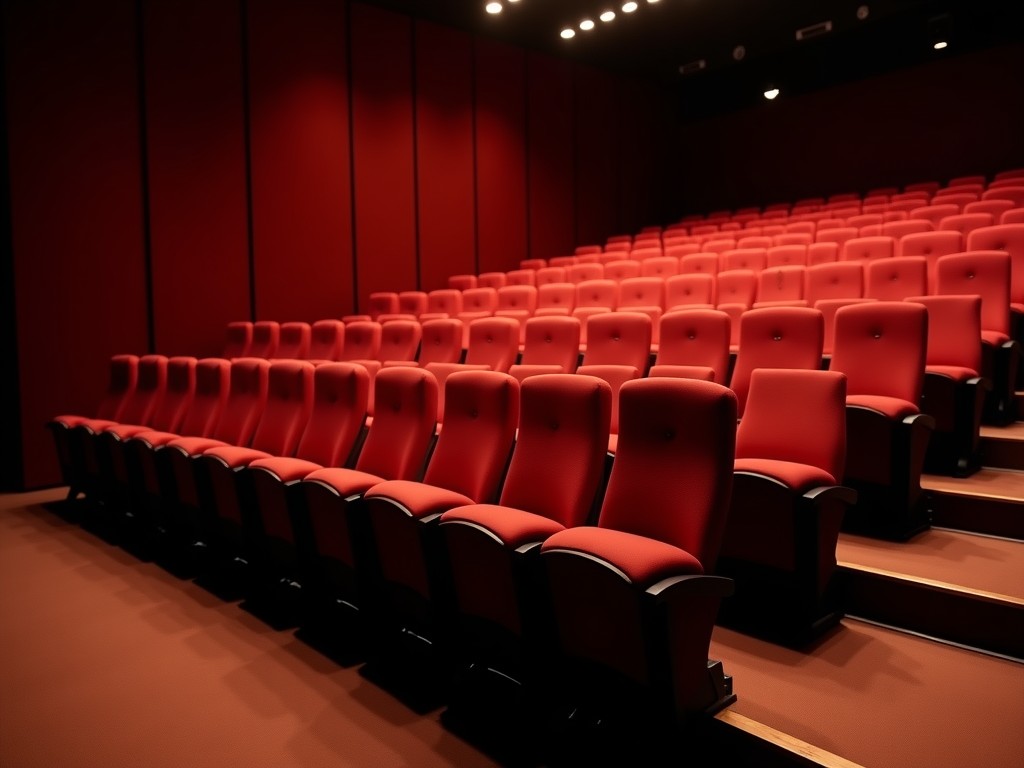
FR-800 auditorium chairs. Featuring cold-rolled steel, fire-retardant fabric, and CAL 133 foam. Ideal for university desk and chair projects. B2B factory wholesale.
Fire resistant auditorium chairs are designed to meet stringent safety requirements for public assembly spaces while maintaining ergonomic functionality and long-term durability. These chairs incorporate specialized materials and construction methods to resist ignition, limit flame spread, and reduce smoke toxicity during fire events. Understanding the technical basis of fire performance is essential for specifiers evaluating compliance with building codes and life safety standards.
Fire resistance in auditorium seating is validated through standardized tests such as BS 5852 (UK), CAL 133 (California), or EN 1021-1/2 (Europe), which assess ignition resistance from smoldering cigarettes and flaming sources. Chairs must demonstrate limited flame spread, low heat release rate, and minimal toxic gas emission under test conditions. Compliance is typically verified by third-party laboratories, and certification documents should be requested during procurement to confirm alignment with local fire codes.
The fire performance of these chairs depends primarily on the upholstery fabric, foam filling, and structural frame treatments. Fabrics are often inherently flame-retardant (e.g., modacrylic blends) or treated with durable back-coatings that withstand cleaning without degrading. Foam cores may use modified polyurethane or melamine-based compounds designed to char rather than melt. Frame components, usually steel or aluminum, may receive intumescent coatings that expand under heat to insulate the substrate.
Beyond fire safety, auditorium chairs must support repeated dynamic loads from sitting, standing, and movement over decades of use. Standard load ratings typically range from 120 kg to 150 kg per seat, tested per ANSI/BIFMA X5.1 or equivalent standards for static and fatigue endurance. The frame geometry, joint welding quality, and material thickness directly influence long-term structural integrity under cyclic loading.
Common frame constructions use 1.2–1.5 mm cold-rolled steel tubing with reinforced gussets at stress points such as armrest mounts and leg-to-seat connections. Aluminum frames are occasionally selected for corrosion resistance in humid environments, though they require thicker sections to match steel stiffness. Plastic components like armrests or tablet arms are usually made from UV-stabilized polypropylene or nylon to prevent brittleness over time.
Ergonomic design ensures user comfort during extended events such as lectures, performances, or conferences. Key dimensions include seat height (typically 420–480 mm), seat depth (400–450 mm), and backrest angle (95°–105° from horizontal). These proportions accommodate the 5th to 95th percentile adult anthropometry while allowing adequate legroom and lumbar support.
Seat cushions often feature dual-density foam: a firmer base layer for support and a softer top layer for comfort. Backrests may incorporate lumbar contours or adjustable mechanisms in premium models. Armrest height and width are coordinated with seat dimensions to facilitate natural posture and ease of entry/exit. Row spacing (typically 800–900 mm center-to-center) must balance capacity with egress requirements under fire evacuation protocols.
Material selection directly impacts fire performance, durability, maintenance, and aesthetic integration with the venue’s design. Upholstery fabrics are available in various weaves, colors, and patterns, all meeting specified fire ratings. Frame finishes include powder coating (standard), anodizing (for aluminum), or chromating, with custom colors available to match architectural schemes.
Optional features such as folding mechanisms, seat numbering, ganging devices, or integrated writing tablets add functionality without compromising fire ratings if properly engineered. Accessories like end-panel lighting or audio-assist ports can be incorporated during manufacturing. All customizations should be validated to ensure they do not invalidate fire certification—consult the manufacturer for approved configurations.
| Parameter | Typical Range or Value |
|---|---|
| Fire Standard Compliance | BS 5852, CAL 133, EN 1021-1/2 (project-dependent) |
| Frame Material | Cold-rolled steel (1.2–1.5 mm) or extruded aluminum |
| Seat Load Capacity | 120–150 kg (static), tested to 10,000 cycles |
| Seat Height | 420–480 mm |
| Seat Depth | 400–450 mm |
| Upholstery | Inherently FR or treated fabric (various colors) |
| Optional Features | Folding mechanism, tablet arm, numbering, ganging |
Consistent fire performance depends on tight control over material inputs and assembly processes. Fabric batches should be tested for FR additive uniformity, and foam lots verified for density and cell structure. Frame welding procedures must follow qualified standards to avoid weak points that could fail under thermal stress. Final assembly includes torque verification on fasteners and functional testing of moving parts.
Manufacturers often maintain material traceability records and conduct periodic audits of suppliers to ensure ongoing compliance. End-of-line inspection may include visual checks for defects, dimensional verification, and functional operation of folding or reclining mechanisms. Documentation such as material safety data sheets (MSDS), test reports, and conformity declarations should be available upon request.
Fire resistant auditorium chairs are specified in venues where large gatherings occur and evacuation time is critical, such as theaters, concert halls, lecture theatres, conference centers, and houses of worship. In these spaces, seating must remain structurally stable during a fire event to prevent obstruction of aisles and exits. The reduced heat release and smoke toxicity of certified chairs contribute to safer egress conditions by limiting tenability threats.
Additional applications include multi-purpose halls in educational institutions, government facilities, and transportation hubs where modular seating may be reconfigured. In such environments, chairs with folding frames or ganging capabilities offer flexibility while maintaining compliance. Selection should always consider the specific fire hazard level of the space, occupancy load, and local authority requirements.
For technical inquiries, customization requests, or certification documentation, contact our engineering team to discuss your project’s specific fire safety and seating requirements.








