
Contact Fumei
No.20 Jiuqiao Road, Shijiang Industrial Area, Jiujiang Town, Nanhai District, Foshan City, China.
FS-Fixed classroom seating furniture. Featuring 14-gauge cold-rolled steel, fire-retardant fabric, and 1,100kg load test. Ideal for university halls. OEM factory.
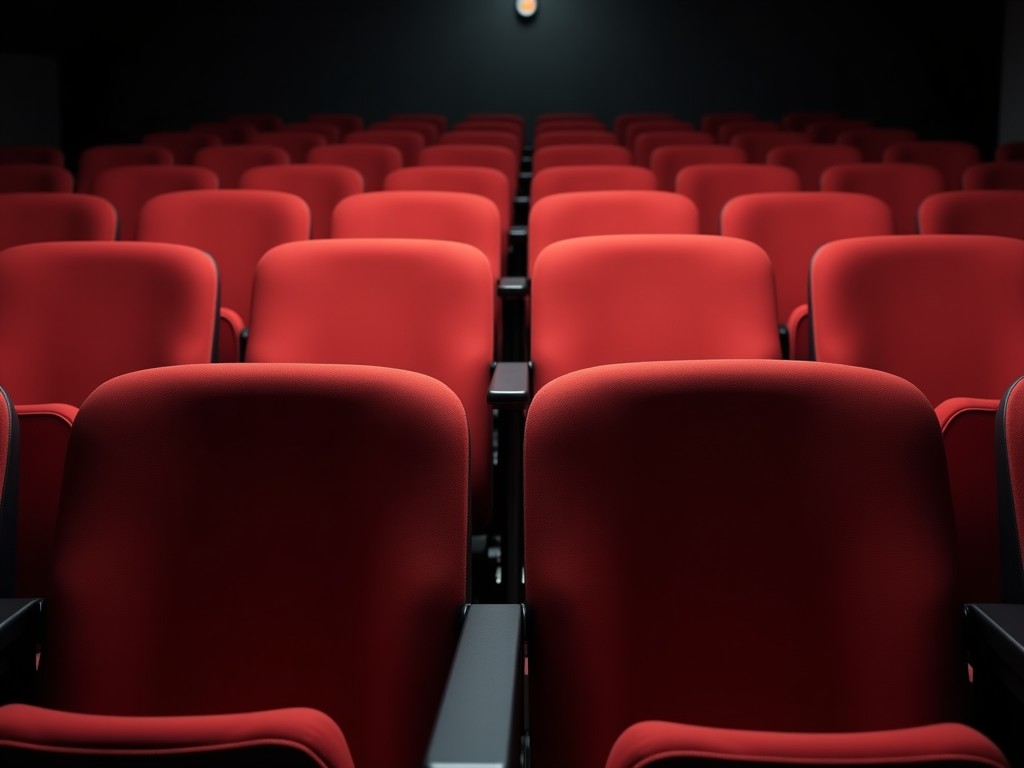
Fixed auditorium seating chairs are permanently installed seating systems designed for theaters, lecture halls, conference centers, and performance venues where long-term stability, consistent sightlines, and low maintenance are critical. Unlike portable or retractable systems, fixed seating is anchored directly to the floor structure, eliminating movement during use and ensuring precise seat alignment over decades of operation. These systems are engineered to withstand repeated loading cycles while maintaining ergonomic support and acoustic integrity within the space.
The frame of a fixed auditorium chair is typically constructed from 14-gauge cold-rolled steel, formed into a cantilever or four-leg configuration depending on the mounting method. Cantilever designs transfer load through a single rear stanchion to a floor-mounted base plate, reducing tripping hazards and simplifying cleaning. Four-leg models distribute weight across four anchor points, often preferred in retrofit applications where floor penetration depth is limited. All structural joints are welded using robotic MIG processes and tested to withstand 1,100 kg dynamic load per seat without permanent deformation, exceeding EN 12727:2009+A1:2013 standards for public seating.
Seat and backrest shells are injection-molded from virgin polypropylene copolymer, selected for its impact resistance (-20°C to +60°C operating range), UV stability, and resistance to common cleaning agents. Shell thickness averages 4.2 mm in high-stress zones, with ribbing patterns optimized to limit deflection under 150 kg point load to less than 2 mm. The molded geometry includes a 105° seat-to-back angle and 5° rearward tilt to promote pelvic rotation and lumbar support during extended sitting periods, based on anthropometric data from the 95th percentile male and 5th percentile female.
The seat lift mechanism employs a torsion spring system housed within a sealed steel cam tube, calibrated to return the seat to the upright position within 0.8 seconds after occupant release. Spring torque is set to 18 Nm ±10%, sufficient to lift a 90 kg load without manual assistance while preventing sudden rebound. Each mechanism undergoes 100,000 cycle testing (equivalent to 20 years of use at 15 cycles/day) with less than 5% torque degradation recorded. Anti-rattle bushings made of self-lubricating PTFE composite eliminate metal-to-metal contact, reducing noise emission to below 35 dB during operation.
Optional features include a folding writing tablet mounted on the right-hand armrest, constructed from 12 mm laminated plywood with a melamine finish. The tablet pivots on a steel hinge rated for 50,000 cycles and locks in both horizontal and vertical positions. A centrifugal damper controls tablet descent speed to 0.3 m/s, preventing impact damage. For venues requiring power access, integrated AC outlets and USB-A/C ports can be specified in the armrest, wired via low-voltage conduit to a central junction box with surge protection.
Upholstery is applied using a double-stitch method with UV-stabilized polyester thread, compatible with fabrics rated for 50,000+ Martindale abrasion cycles (EN ISO 12947-2). Standard options include inherently flame-retardant Trevira CS polyester (ISO 5658-2 Class B1) and solution-dyed acrylic, both resistant to fading under 80 W/m² UV exposure. Leatherette alternatives use a 1.8 mm PVC-free PU coating on a polyester backing, passing ISO 14184-1 bacterial resistance tests. All fabrics are bonded to 12 mm high-resilience polyurethane foam (35 kg/m³ density, 2.8 kPa indentation load deflection) molded to match the shell contours.
Frame finishes undergo a five-stage pretreatment (degreasing, phosphating, rinsing) before epoxy powder coating. Standard colors are black (RAL 9005) and gray (RAL 7042), with custom RAL matching available. Coating thickness averages 80 μm, tested per ASTM D3359 for adhesion (5B rating) and ASTM B117 for 500-hour salt spray resistance. In high-humidity or coastal environments, a zinc-rich primer is applied beneath the powder coat to prevent underfilm corrosion, extending service life beyond 25 years in controlled indoor conditions.
Fixed seating requires precise floor preparation: concrete substrates must achieve minimum 25 MPa compressive strength and flatness tolerance of 3 mm over 2 m (per DIN 18202 Table 3, Line 7). Anchor points are spaced according to the chair model’s pitch (typically 800–900 mm center-to-center), with hole diameters of 16 mm for M12 chemical anchors. Installation torque is set to 60 Nm using calibrated wrenches, verified by pull-testing 5% of anchors to exceed 15 kN tensile load. Shims made of polypropylene composite compensate for floor variations up to 10 mm, ensuring uniform seat height across rows.
Row curvature is achieved through adjustable stanchion brackets that allow ±2.5° angular deviation per seat, enabling concentric or fan-shaped layouts without custom fabrication. Sightline calculations are performed using AutoCAD-based templates that factor in eye height (1,050 mm for seated adult), riser height (typically 150–200 mm), and horizontal offset to ensure C-value (clear sight over the head of the person in front) remains above 80 mm for all seats. Gangway widths comply with local accessibility codes, commonly 1,100 mm minimum for straight egress and 1,200 mm for assisted movement.
Each production batch undergoes incoming material verification: steel coil thickness checked via X-ray fluorescence (±0.02 mm tolerance), polypropylene melt flow index tested (8–12 g/10 min), and fabric roll width inspected for defects using 100% vision systems. During assembly, robotic vision guides confirm hole alignment within 0.5 mm tolerance before fastening. Final assembly includes functional checks: seat return speed, tablet operation, and armrest stability under 150 kg lateral load.
Finished units are subjected to randomized sampling: 1 per 500 chairs for full load testing (1,100 kg dynamic, 550 kg static for 10 min), 1 per 1,000 for acoustic emission measurement during operation, and 1 per 2,000 for accelerated weathering (UV-A 340 nm, 0.89 W/m², 60°C chamber, 1,000 hours). Documentation includes material certificates, weld procedure specifications (WPS), and test reports available upon request. All chairs are marked with a laser-etched serial code linking to production date, batch number, and QC inspector ID.
Fixed auditorium seating is specified in environments where seat permanence supports architectural acoustics and sightline integrity. In concert halls, the rigid mounting minimizes vibrational energy transfer from the structure to the seats, preserving low-frequency response below 100 Hz. Lecture theaters benefit from consistent seat orientation, ensuring all occupants maintain identical viewing angles to projection screens or whiteboards, critical for note-taking and visual accessibility. Multi-use venues such as civic centers often select fixed seating for its durability under high turnover, withstanding over 200 events annually without measurable degradation in mechanism performance or fabric appearance.
Religious institutions frequently choose fixed seating for its longevity and low lifetime cost, with many installations exceeding 30 years of continuous use. The absence of moving parts beyond the seat lift mechanism reduces failure points compared to retractable systems, while the open floor beneath seats facilitates HVAC airflow and under-seam cable routing for assistive listening systems. In correctional facilities and government chambers, fixed seating provides tamper-resistant installation, deterring unauthorized repositioning or removal due to the embedded anchor points and specialized tools required for disassembly.
| Parameter | Typical Value | Customizable According to Project Requirements |
|---|---|---|
| Seat Width | 480 mm | 450–550 mm |
| Backrest Height | 380 mm | 350–450 mm |
| Row Pitch | 850 mm | 750–1,000 mm |
| Frame Material | 14-gauge Cold-rolled Steel | Stainless Steel 304 (upon request) |
| Upholstery Abrasion Resistance | 50,000 Martindale Cycles | 100,000+ Martindale (High-Traffic Fabrics) |
| Load Capacity (Dynamic) | 1,100 kg | 1,500 kg (Reinforced Models) |
Materials are selected with end-of-life recyclability in mind: steel frames achieve >95% recovery rates in standard scrap streams, polypropylene shells are marked for ISO 1043 PP sorting, and polyurethane foam can be processed in chemical recycling facilities where available. Fabric selection avoids brominated flame retardants and heavy metal dyes, complying with REACH and RoHS restrictions. Manufacturing processes minimize VOC emissions through water-based pretreatment and powder coating, with >98% powder capture and reuse efficiency.
Lifecycle cost analysis shows fixed seating reduces long-term expenditure compared to portable systems due to lower maintenance frequency (annual inspection vs. quarterly for moving systems) and extended service life. Energy use during operation is negligible, as mechanisms require no power. Cleaning involves vacuuming and spot-wiping with pH-neutral detergents, avoiding steam extraction that could degrade adhesives or promote mold growth in foam. Warranty terms typically cover structural frame for 10 years and mechanisms for 5 years, reflecting confidence in design durability under normal use conditions.








