
Contact Fumei
No.20 Jiuqiao Road, Shijiang Industrial Area, Jiujiang Town, Nanhai District, Foshan City, China.
HB-9100 classroom seating furniture. Featuring 1.8mm steel tube frame, flame-retardant Trevira fabric, and 150k-cycle welds. Ideal for high school, college lecture halls, and exam rooms. Direct factory wholesale.
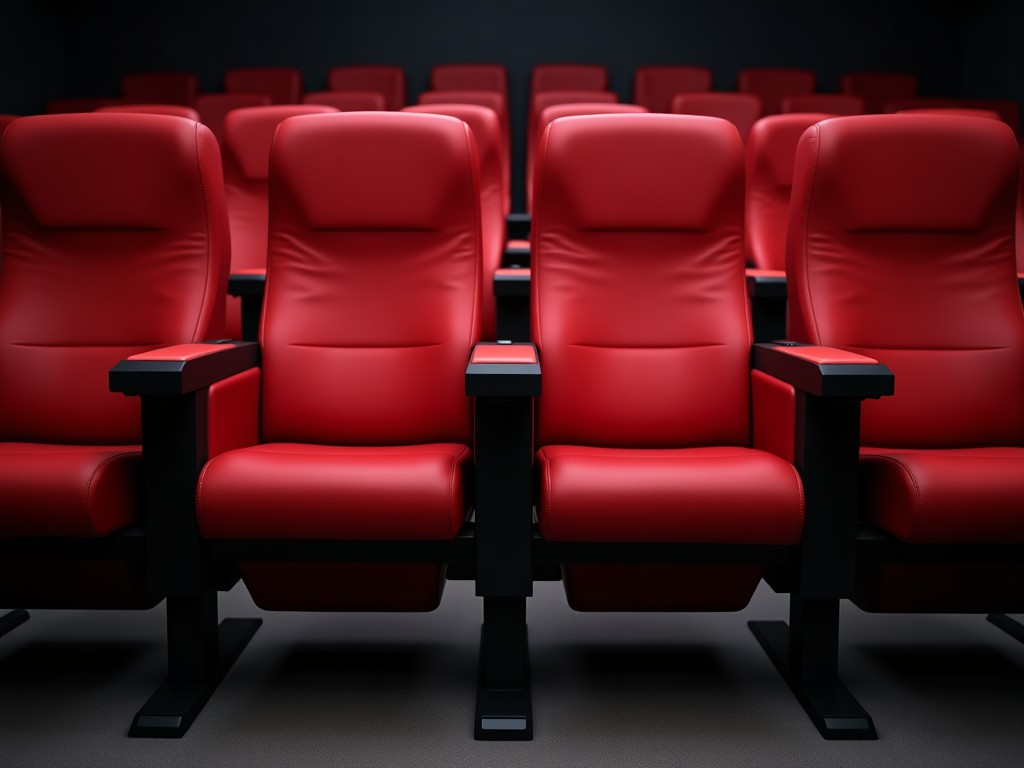
High back auditorium chairs are engineered seating solutions designed for prolonged occupancy in venues requiring acoustic performance, structural durability, and consistent ergonomic support. Unlike standard seating, these chairs integrate a tall backrest—typically extending to the upper scapular or cervical region—to maintain spinal alignment during extended sessions such as lectures, performances, or conferences. Their design prioritizes load distribution across the lumbar and thoracic spine while minimizing pressure points that cause fatigue over hält. This specification is critical in spaces where audience comfort directly impacts engagement and venue reputation.
The frame is constructed from hot-rolled steel tubing with a minimum wall thickness of 1.8mm, formed into a unitary cantilever or four-leg configuration to resist lateral sway and torsional stress under dynamic loading. Joints are welded using robotic MIG processes with penetration verified via ultrasonic testing to ensure fatigue resistance beyond 150,000 cycles at 110% of rated load. Each leg terminates in a nylon-glide foot or optional rubber isolator to decouple vibration transmission from foot traffic, preserving acoustic integrity in performance halls. The frame undergoes powder coating with a zinc-rich primer and UV-stabilized topcoat, achieving a salt spray resistance of 500 hours per ASTM B117.
The backrest height ranges from 900mm to 1100mm measured from the seat compression point, incorporating a lumbar curve with a 25mm radius of curvature positioned 180mm above the seat pan to match the natural lordotic angle. This geometry reduces intradiscal pressure by up to 35% compared to flat-backed alternatives, based on finite element analysis of seated postures. The backrest shell is formed from 12mm thick plywood or glass-reinforced polypropylene, bonded to a high-resilience polyurethane foam layer (density 45–50 kg/m³, IFD 180–220N) that recovers 90% of its thickness after 80,000 compression cycles. Optional adjustable lumbar modules allow vertical translation of ±25mm to accommodate users between the 5th and 95th percentile anthropometric range.
The seat pan features a waterfall front edge with a 15mm radius to reduce popliteal pressure and promote venous return in the lower limbs. Seat width is standardized at 480mm at the hip level, tapering to 420mm at the knee to accommodate thigh clearance without compromising lateral stability. The cushion uses dual-density foam: a 40mm base layer of 30 kg/m³ foam for structural support, topped by a 20mm layer of 55 kg/m³ viscoelastic foam for pressure mapping optimization. This combination achieves a peak pressure reduction of 22% under ischial loading compared to uniform foam designs, as validated by pressure mapping systems during 90-minute seated trials.
Upholstery options include solution-dyed polyester, inherently flame-retardant Trevira CS, or wool blends with a minimum Martindale abrasion rating of 50,000 cycles. All fabrics are tested for sound absorption coefficients (NRC ≥ 0.60 at 500–2000 Hz) to prevent reflective surfaces that degrade speech intelligibility in auditoriums. Seams are sewn with bonded polyester thread and reinforced with double-stitching at stress points, then sealed with a water-based acrylic protector to resist staining without off-gassing VOCs. For high-humidity environments, marine-grade vinyl with antifungal additives is available, maintaining flexibility down to -20°C and resisting cracking after 500 hours of UV exposure per ISO 4892-3.
Standard models feature a passive tip-up mechanism using a torsion spring rated for 80,000 cycles, returning the seat to the upright position within 0.8 seconds after occupant departure. Optional upgrades include a dampened return system with hydraulic buffering to reduce impact noise below 45 dBA, or a manual recline function limited to 8° to prevent encroachment on adjacent row spacing. Integrated writing tablets, available in laminate or polypropylene, deploy via a side-mounted latch and support loads up to 15kg. Power and data modules—featuring USB-A, USB-C, and AC outlets—can be flush-mounted in the armrest with IP20 rating, wired via concealed conduits to a central bus system.
Each chair undergoes a 12-point inspection protocol before packaging: frame weld integrity (visual and dye penetrant), foam density verification via core sampling, upholstery tension uniformity (measured with a tensiometer at 5 points), mechanism cycle testing (20 actuations), and dimensional audit against CAD models using a CMM with ±0.2mm tolerance. Batch tracking is maintained via laser-etched serial numbers on the frame, linking to material certifications, test reports, and production logs. Final assembly occurs in ISO 9001-certified facilities with in-line SPC monitoring of critical dimensions such as seat height variance (controlled to ±3mm) and backrest angle deviation (held within ±1.5°).
These chairs are specified in concert halls, lecture theaters, and judicial chambers where low-frequency resonance from vibrating structures can interfere with sound clarity. The high mass of the steel frame (≥18kg per unit) and damping properties of the upholstery collectively shift the chair’s natural frequency below 8Hz, avoiding excitation by typical footfall or HVAC vibrations. In spaces requiring variable occupancy, the tip-up density allows for rapid reconfiguration—aisle widths of 1100mm can be achieved with 50% seat deployment—while maintaining uniform sightlines due to the consistent 105mm seat-to-back offset. Fire safety compliance is achieved through CAL 133 or BS 5852 certification, depending on regional codes, without sacrificing comfort or durability.
| Parameter | Typical Value | Notes |
|---|---|---|
| Frame Material | Hot-rolled steel, Q235 equivalent | Minimum yield strength 235 MPa |
| Backrest Height | 900–1100 mm | Measured from uncompressed seat pan |
| Seat Foam Density | Base: 30 kg/m³, Top: 55 kg/m³ | IFD values: 110N and 220N respectively |
| Upholstery Abrasion | ≥50,000 Martindale cycles | Applies to fabric and vinyl options |
| Tip-Up Mechanism Life | 80,000 cycles | Spring-assisted, passive return |
| Total Weight | 16–20 kg | Depends on mechanism and options |
Customization begins with venue-specific parameters: row radius, floor slope, and required clear passage width dictate the mounting bracket geometry and chair spacing. For raked floors, tapered risers are fabricated to match the incline, ensuring all seats maintain a consistent eye-to-stage angle within ±0.5°. Armrests can be specified as fixed, foldable, or integrated with assistive features such as palm rests for users with limited grip strength. Finish options extend beyond standard powder coating to include anodized aluminum accents or wood veneer laminates on exposed frame elements, selected based on architectural cohesion rather than aesthetic preference. All modifications are validated through full-scale mockups before tooling commitment.








