
Contact Fumei
No.20 Jiuqiao Road, Shijiang Industrial Area, Jiujiang Town, Nanhai District, Foshan City, China.
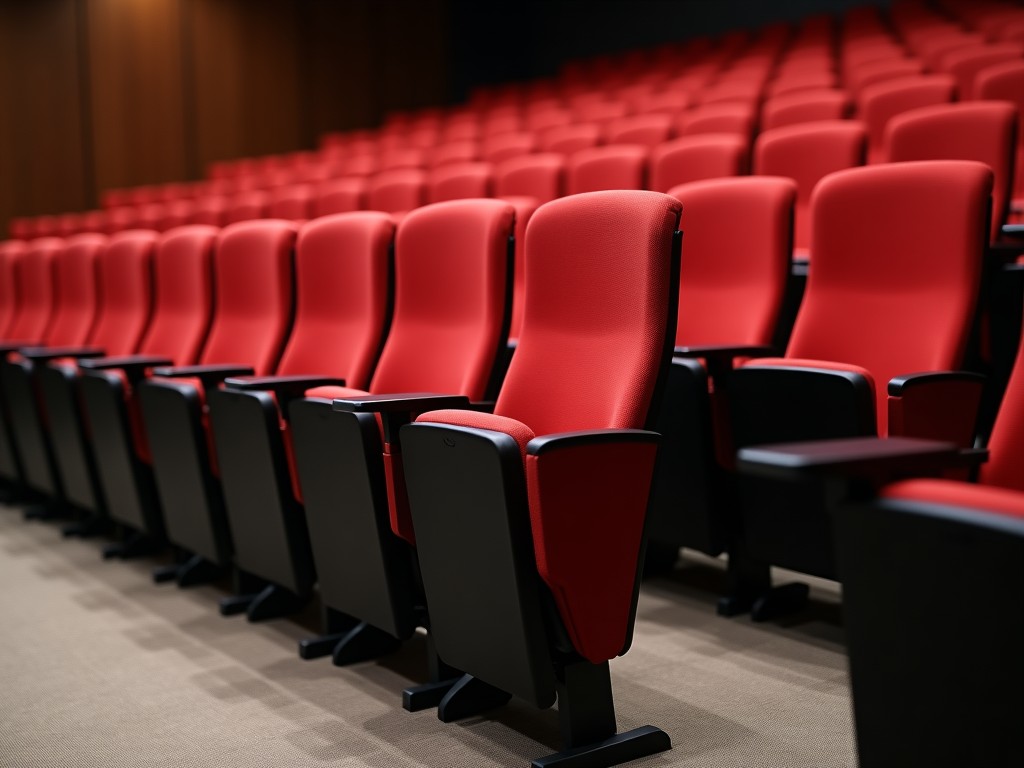
LH-800 student chairs for classroom. Featuring ergonomic high-density foam, acoustic fabric, and lumbar support. Ideal for college lecture hall. Factory direct B2B supply.
Selecting lecture hall furniture involves more than aesthetics—it impacts acoustics, sightlines, occupant comfort, and long-term facility operating costs. This page explains the technical considerations behind durable, functional lecture hall seating and tables, focusing on measurable engineering characteristics that influence procurement decisions for educational institutions, corporate training centers, and conference venues.
The structural integrity of lecture hall furniture begins with the frame. Steel frames typically use cold-rolled Q235 or Q345 grade with a minimum yield strength of 235 MPa, providing adequate stiffness for static loads up to 150 kg per seat without permanent deformation. Aluminum alloys like 6061-T6 offer a strength-to-weight ratio approximately three times better than steel, reducing dead load on elevated flooring systems while maintaining equivalent load capacity. Wall thickness directly affects buckling resistance; frames with 1.2 mm to 1.8 mm tubular sections resist lateral sway under dynamic loading from occupant movement. Powder coating thickness of 60–80 μm provides corrosion resistance suitable for environments with 40–60% relative humidity, while thicker coatings (100+ μm) are specified for coastal or high-humidity installations.
Ergonomic design reduces fatigue during prolonged lectures. Seat depth between 400–450 mm accommodates 90% of users without restricting circulation behind the knees. A seat height of 420–480 mm ensures proper thigh-to-torso angle when feet rest flat on the floor. Backrest recline angles of 5°–10° from vertical support lumbar alignment without encouraging slouching. Contoured foam density between 25–35 kg/m³ provides consistent support over time; lower densities compress excessively under repeated use, while higher densities increase pressure points. Fire-retardant upholstery meeting BS 5852 or CAL 117 standards limits flame spread to less than 100 mm/minute in vertical burn tests.
Lecture hall tables must withstand daily writing, laptop use, and occasional impacts. High-pressure laminate (HPL) surfaces with a thickness of 0.8–1.2 mm resist scratching from pens and keys, with Taber abrasion ratings exceeding 300 cycles before visible wear. Melamine-faced chipboard (MFC) offers a lower-cost alternative but shows edge chipping after 50–100 impact cycles at 2 J energy. Solid wood veneers (oak, maple) provide repairable surfaces but require periodic refinishing in high-traffic areas. Edge sealing with 2 mm PVC or ABS tape prevents moisture ingress into substrate layers, reducing swelling in environments with fluctuating humidity. Cable management cutouts typically measure 60×30 mm to accommodate power and data cords without compromising structural rigidity.
Lecture halls often require reconfiguration for different teaching formats. Modular systems use interlocking steel brackets with ±2 mm alignment tolerance, allowing rows to be straightened or curved without gaps. Folding mechanisms incorporate gas springs rated for 10,000 cycles, ensuring consistent assist force over the product lifetime. Tablet arms pivot on steel pins with 8 mm diameter and PTFE bushings, maintaining smooth rotation under 15 N·m torque. Leveling feet with 30 mm adjustment range compensate for floor unevenness up to 5 mm per meter, preventing wobble in older buildings. Stacking chairs nest with 180 mm vertical offset, enabling storage of 10 units in under 2 m³ volume.
Furniture affects room acoustics through sound absorption and vibration transmission. Upholstered seats with fabric facing absorb mid-frequency sound (500–2000 Hz) at coefficients between 0.3–0.5 per square meter, reducing reverberation time in semi-enclosed halls. Metal frames transmit structure-borne noise; isolating pads with 5 mm neoprene or rubber reduce vibration transfer by 15–20 dB at 100 Hz. Hollow plastic backs act as Helmholtz resonators, potentially amplifying specific frequencies—solid or perforated backs with 20–30% open area minimize this effect. Floor-mounted fixtures should isolate from structural slabs using resilient channels to prevent low-frequency rumble transmission during HVAC operation.
Reliability is validated through standardized testing. Frame load tests apply 1.5× rated capacity (e.g., 225 kg) for 1 minute without yielding. Cycle testing simulates 10 years of use: 20,000 sit-stand motions at 0.5 Hz for seats, 5,000 folding-unfolding cycles for tables. Finish adhesion is measured via cross-hatch tape test (ASTM D3359), requiring Grade 4B or better (90–95% coating retention) after 24 hours. Flame spread ratings are verified using vertical burn chambers (UL 94 V-0 or equivalent). Dimensional tolerances are maintained within ±1.5 mm for critical interfaces (e.g., armrest-to-seat spacing) using CNC jigs during assembly. Batch inspections include 100% visual checks for weld porosity, finish runs, and missing hardware.
| Component | Standard Option | Customizable Alternative |
|---|---|---|
| Frame Material | Q235 Steel, 1.5 mm wall | 6061-T6 Aluminum, 1.2 mm wall; Stainless Steel 304 |
| Seat Foam | 30 kg/m³ PU, 50 mm thickness | 25 kg/m³ (low density), 40 kg/m³ (high density), memory foam top layer |
| Upholstery | Polyester weave, 280 g/m² | Vinyl, wool blend, flame-retardant treated fabrics |
| Table Surface | 0.9 mm HPL, maple finish | 1.2 mm HPL, solid wood veneer, anti-static laminate |
| Edge Protection | 2 mm PVC tape | 3 mm ABS, aluminum extrusion, rubber bumper |
| Base Type | Fixed glides, 25 mm nylon | Locking casters (75 mm diameter), leveling feet with 30 mm adjustment |
Lecture hall furniture supports diverse instructional models. In traditional lecture formats, fixed-row seating with integrated writing tablets ensures clear sightlines to the presenter and minimizes visual obstruction. Active learning spaces benefit from mobile tables and chairs with casters, enabling rapid reconfiguration into groups of 4–6 for collaborative work. Corporate training rooms often require power and data integration; furniture with built-in cable channels and under-seat conduits reduces tripping hazards while maintaining a clean aesthetic. Auditoriums used for both presentations and performances prioritize acoustic transparency—seats with minimal reflective surfaces and open-backed designs reduce sound trapping, preserving clarity for speech and music.
Environmental impact extends beyond material selection. Steel frames contain approximately 25–30% recycled content by default, with options for 90%+ recycled steel increasing LEED contribution. Aluminum frames achieve up to 85% recycled content due to high reclamation rates in manufacturing. HPL surfaces use kraft paper impregnated with thermosetting resins; while not biodegradable, they are inert in landfill and can be incinerated for energy recovery in certified facilities. Upholstery fabrics made from polyester include post-consumer PET content (typically 20–50%), reducing virgin polymer demand. Design for disassembly is critical—mechanical fasteners (screws, bolts) allow separation of materials for recycling, whereas bonded assemblies complicate end-of-life processing. Manufacturers should provide material declaration sheets detailing substance composition for compliance with REACH and RoHS.








