
Contact Fumei
No.20 Jiuqiao Road, Shijiang Industrial Area, Jiujiang Town, Nanhai District, Foshan City, China.
Factory Price heavy duty high back auditorium theater chairs Factory Sale: What Buyers Should Check Before Ordering What This Product Is and Where It Fits Parameter Standard Range Options Frame materi
| Parameter | Standard Range | Options |
|---|---|---|
| Frame material | Cold‑rolled steel, 1.5 mm wall | Powder‑coat, chrome, or anodised aluminium |
| Seat foam density | 45 kg/m³ (medium) | 55 kg/m³ (firm) or 35 kg/m³ (soft) |
| Back height | 950 mm from floor | Adjustable 900‑1000 mm |
| Weight capacity per seat | 150 kg static | 200 kg with reinforced cross‑brace |
| Fabric abrasion rating | ≥ 30 000 Martindale cycles | ≥ 60 000 cycles (solution‑dyed acrylic) |
| Fire rating | CA 117 / EN 1021‑1 | NFPA 260 on request |
The chair family targets venues that run daily shows, lecture series, or municipal meetings. Buyers typically specify a 1.5 mm steel frame because it balances freight weight with the 150 kg static load rating required by most building codes.
When the seat foam density moves from 45 kg/m³ to 55 kg/m³ the unit weight rises about 1.2 kg, but the perceived firmness improves for long‑duration sittings. That trade‑off is the first decision a procurement team prices.
Frames that look identical on a spec sheet can diverge after six months of daily use. A 1.2 mm wall tube saves $2 per unit but begins to show permanent set at the rear leg joint once the cumulative load cycles exceed 250 000.
Fabric colour fade is the second hidden cost. Standard polyester loses 12 % of its chroma after 200 hours of UV exposure typical of south‑facing auditorium windows. The venue then faces a full‑re‑upholstery bill that dwarfs the original fabric delta.
Cleaning regimes that use quaternary ammonium compounds accelerate foam breakdown when the foam lacks a moisture‑barrier scrim. The result is a sagging seat that fails the 150 kg test well before the warranty period ends.
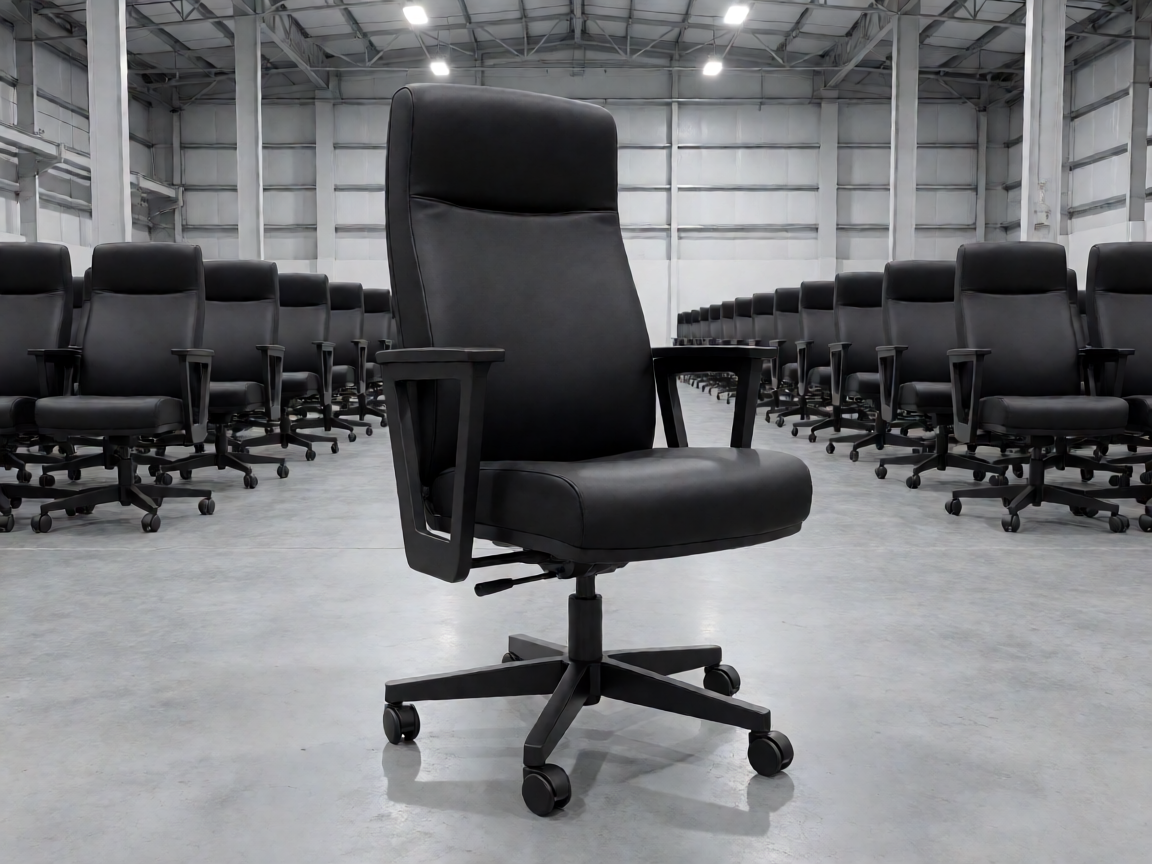
Each of these items adds a week of re‑work and a 15‑20 % freight surcharge for the replacement shipment.
Solution‑dyed acrylic holds colour within ΔE ≤ 2 after 500 h UV; standard polyester drifts to ΔE ≈ 6. If the venue has direct sun, specify the acrylic grade or budget for a re‑cover at year three.
Cost per seat: $12‑$15. Meets 30 000 Martindale. Suitable for low‑traffic community halls.
Cost per seat: $22‑$28. Exceeds 60 000 Martindale, ΔE ≤ 2 after 500 h UV. Preferred for university theatres and commercial cinemas.
Frame finish, arm‑rest profile, and row‑spacing brackets are fully configurable. The only hard lock is the 1.5 mm tube wall – thinning it voids the 150 kg static rating and the factory will not sign the test report.
Municipal performing‑arts centres order 300‑500 units per phase, often with a 5‑year service contract that includes quarterly foam inspection.
Private‑label furniture distributors buy 1 000‑2 000 chairs per SKU, requesting custom logo embossing on the back panel and a neutral grey fabric that matches their catalogue.
University lecture‑hall managers prioritize the 200 kg reinforced option because student traffic includes backpacks and occasional equipment carts.
Every production lot passes a dimensional audit: seat height ±3 mm, back height ±4 mm, centre‑to‑centre row spacing ±2 mm. A calibrated CMM checks 10 % of frames.
Foam compression set is measured after 22 h at 70 °C per ASTM D3574; the acceptance limit is ≤ 15 % loss of original thickness.
Fabric undergoes Martindale abrasion (ISO 12947‑2) and xenon‑arc UV (ISO 4892‑2) on a 5‑sample batch. Results are recorded on the lot traceability sheet that ships with the container.
Standard MOQ is 200 seats for a single fabric/finish combination. Below that, the set‑up charge adds $1.80 per unit because the powder‑coat line must be flushed.
Lead time runs 35‑45 days from approved sample to FOB Shanghai. Adding a custom arm‑rest mould adds 10 days; a fire‑rating upgrade to NFPA 260 adds 7 days for the third‑party test lab.
For repeat orders the factory holds the frame jig and foam cut‑file, cutting the cycle to 20‑25 days if the fabric lot is already in stock.
Ready to align the spec with your venue’s service life? Share the drawing and we’ll return a costed BOM within 48 hours.
Start a project discussion







