Contact Fumei
No.20 Jiuqiao Road, Shijiang Industrial Area, Jiujiang Town, Nanhai District, Foshan City, China.
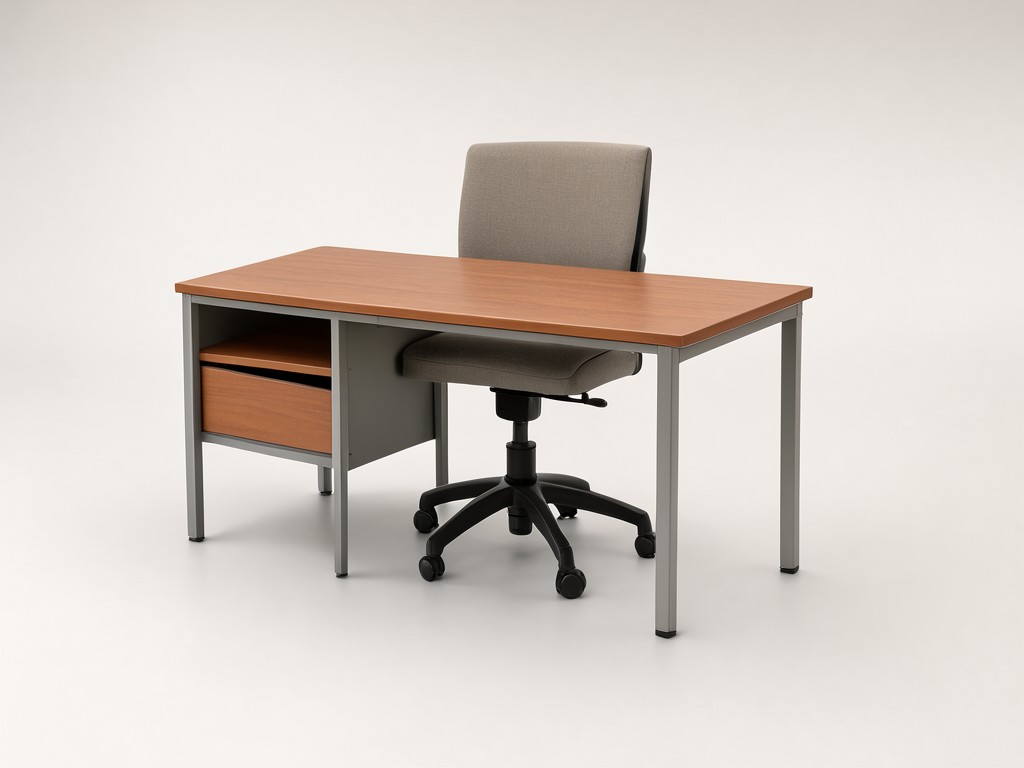
custom library study desk and chair suppliers - Bulk Supply and Specification Guide What the Design Has to Balance Material choice starts with the conditions the product will meet. A public library de
Material choice starts with the conditions the product will meet. A public library desk may see daily book handling, bag impacts and repeated surface cleaning; a chair may be pulled across hard floors several times each hour. Melamine-faced panels keep the surface cost manageable, while plywood or solid-wood edges can better tolerate knocks but raise material and finishing costs. Powder-coated steel frames offer a different trade-off: they add structure and can reduce reliance on thick panels, but frame geometry and weld fixtures need to stay consistent across production runs.
Cost rule: price the desk and chair as a set against expected service and replacement needs. A cheaper panel or thinner frame can lower the purchase price, but edge damage, loosened joints or floor wear can increase the cost per unit sold if returns and replacements become frequent.
In a quiet reading area, users may sit for an hour or longer, so seat height, back support and the desk-to-chair relationship affect comfort more than decorative details. For shared study rooms, chairs are moved often and desks take concentrated loads at their front edges. A stable base, rounded corners and well-supported panel spans help manage those use patterns without adding material everywhere.
Complaints commonly start at joints and contact points: a chair that rocks after floor-glide wear, an edge band that lifts after repeated cleaning, or a desk top that flexes across an oversized span. Specify adjustable glides where floors vary, protect exposed panel edges, and set the frame and support layout around the intended top dimensions. These choices cost more at the drawing and setup stage than they do as field replacements.
Construction options diverge as soon as weight matters. Steel-tube frames with panel tops suit repeatable bulk orders and flat-pack freight; plywood or solid-wood details can change the visual finish and repair options, while also adding weight and material cost. Treat the dimensions below as a starting range for quoting, not a universal fit. Final dimensions depend on the user age group, room layout, chair design and local purchasing specification.
| Item | Typical configurable range | Specification and packing notes |
|---|---|---|
| Desk top | About 600–1,200 mm wide by 450–700 mm deep; desk height commonly specified around 640–760 mm | Panel thickness, edge treatment and frame support depend on span and material. Flat-pack protection should shield corners and finished faces. |
| Study chair | Seat height commonly specified around 380–480 mm; overall dimensions and weight vary by frame and seat construction | Stacking or knock-down designs change carton size. Separate hardware packs and protect finished legs from carton abrasion. |
| Desk-and-chair set | Packed weight is configuration-specific; confirm after material, hardware and carton selection | Export cartons can be arranged by set or by component. Retail labels, assembly instructions and batch identification should be approved before print. |
For public and school library tenders, predictable dimensions, stable reorder specifications and straightforward assembly often matter more than a wide finish range. Retail buyers may instead need carton efficiency, coordinated colors and packaging that protects display-ready surfaces. Brand product managers usually need control over the complete set: chair profile, desk proportions, finish family, hardware and instructions.
For reading rooms and supervised study areas, prioritize repeatable dimensions, replaceable glides and finishes that tolerate routine wiping. Keep the approved bill of materials stable so later room phases match the initial installation.
For flat-pack retail sets, review carton dimensions, assembly steps and the number of loose parts. A modest tooling investment in drilling fixtures or production jigs can reduce rework and assembly variation across repeat orders.
When dimensions or frame geometry move beyond a standard design, a production partner needs the approved drawings, material callouts, finish references and target packing method before committing a production route. Desk panels can be CNC cut and drilled to controlled patterns; chair frames can use dedicated bending and welding fixtures. Each fixture has an upfront cost, so the useful comparison is not tooling cost alone but how it changes repeatability, setup time and the cost of each sellable set over the planned order volume.
For a smaller first order, a supplier may be able to use adaptable fixtures or existing frame components, with more manual setup and a higher unit cost. At larger repeat volumes, dedicated jigs and nesting plans can reduce handling and material waste, but they need confirmed specifications and a forecast that justifies the investment. Lead time also changes with the route: new fixtures, special finishes or non-stock panels add approval and sourcing steps, while a repeat order against retained drawings can move more directly into scheduling.
In libraries with regular cleaning, use a soft cloth and mild detergent on finished surfaces, then dry exposed metal and panel edges. Abrasive pads and strong solvents can dull coatings or damage decorative surfaces. Check fasteners and floor glides during routine room maintenance; replacing a worn glide early helps limit floor marks and chair wobble.
Store cartons in a dry indoor area and keep them flat where the package design requires it. Moisture exposure can affect panel edges and carton strength, while poor stacking can deform parts before installation. Retain the product revision and batch details with service records so replacement components match the original finish and fit.
Planning a custom run? Send the target dimensions, material preferences, forecast quantity and packing requirements for a tooling review. That gives the factory enough information to compare fixture investment, unit-cost impact and likely production lead time before sample approval.
Request a tooling review